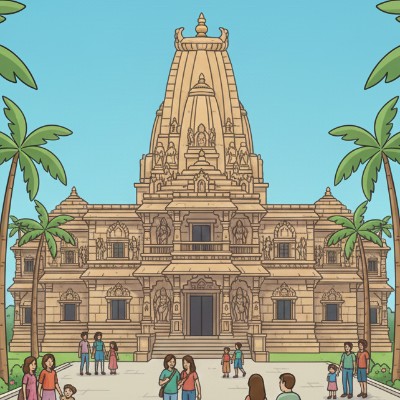
The Mahalaxmi Temple in Mumbai has a fascinating origin that blends faith and legend. Built in the 18th century, the temple is said to have been commissioned by a local Hindu merchant named Dhakji Dadaji.
According to popular belief, the merchant had a divine dream in which Goddess Mahalaxmi instructed him to recover her lost idols from the sea and establish a shrine in her honour. The temple was completed in 1831 and soon became one of Mumbai’s most prominent religious landmarks.
Its architecture showcases a mix of traditional Hindu design and regional artistry. The temple also marks a significant point in Mumbai’s history, as it is believed that the construction of the nearby Hornby Vellard (which connected the seven islands of Bombay) succeeded only after the temple’s establishment, symbolising divine blessings over the city’s growth.
The Mahalaxmi Temple is not only a spiritual landmark but also an architectural and cultural gem of Mumbai. Every year, millions of devotees and tourists visit this temple to seek blessings and witness its historic beauty.
The temple structure is simple yet elegant, adorned with intricate carvings and vibrant decorations, especially during festivals.
These details highlight how the Mahalaxmi Temple has maintained its historical, architectural, and devotional importance over the centuries.
Today, the Mahalaxmi Temple continues to be one of the most visited places of worship in Mumbai, symbolising the city’s strong spiritual pulse. The temple attracts devotees, tourists, and photographers alike, who come to witness its religious ceremonies and coastal charm. Despite the urban development around it,
the temple maintains its sanctity and calm atmosphere. The temple trust ensures proper maintenance, security, and hygiene, while modern amenities like queue systems and donation counters make the experience smoother for visitors.
During major festivals such as Navratri, Diwali, and Gudi Padwa, the temple sees massive footfall, and the surrounding roads come alive with stalls and decorations.
The best time to visit Mahalaxmi Temple is from October to February, when Mumbai experiences pleasant weather and several religious festivals.
The highlight is the Navratri festival, usually celebrated in September or October, when the temple is beautifully decorated with flowers and lights, and special rituals are performed. Mornings (7:00 AM – 10:00 AM) and evenings (5:00 PM – 8:00 PM) are ideal for visiting, as the temple is less crowded and the sea breeze enhances the spiritual ambiance.
During monsoon months (June–September), the coastal view becomes even more scenic, though occasional high tides may restrict access to the surrounding promenade.
The Mahalaxmi Temple is open to devotees every day of the week. The temple follows specific timings for different rituals and darshan sessions, ensuring a smooth flow of visitors. Entry to the temple is free for all, though donations are voluntary and can be made at designated counters. Timings:
Entry Fees:
Rules & Etiquette:
The Mahalaxmi Temple showcases traditional South Indian–style architecture, reflecting a beautiful blend of spirituality and craftsmanship. Constructed in black stone, the temple’s main shrine features an intricately carved sanctum housing the idols of Goddess Mahalaxmi, Mahakali, and Mahasaraswati, all adorned with gold ornaments and fresh flower garlands.
The temple’s entrance archway is richly decorated with sculptures of divine figures and motifs symbolizing prosperity and protection. The garbhagriha (sanctum sanctorum) is designed to allow natural sunlight to illuminate the deity during specific times of the day, creating a mesmerizing divine glow.
The courtyard area accommodates hundreds of devotees and includes stalls selling offerings and souvenirs. Its seaside location enhances its charm—visitors can view the Arabian Sea just beyond the temple steps.
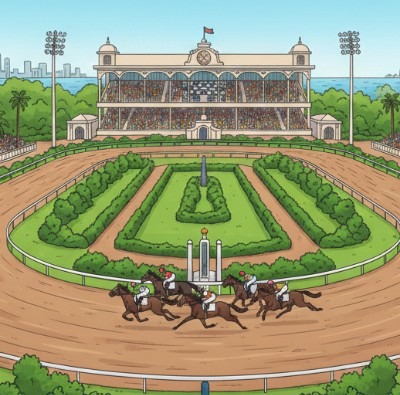
Mahalaxmi Temple is conveniently located in South Mumbai and is well-connected by all modes of local transport. The temple lies close to major landmarks like the Mahalaxmi Racecourse and Haji Ali Dargah, making it easily accessible from any part of the city.
By Train:
By Bus:
By Car/Taxi:
By Air:
Visiting the Mahalaxmi Temple in Mumbai is a spiritual experience, and a few smart tips can help you make the most of it. It is advisable to visit early in the morning or late evening to avoid crowds and heat. Carry minimal belongings as the temple gets busy, especially during Navratri and Fridays. Photography inside the sanctum is not allowed, so respect temple guidelines.
Key Tips:
The Mahalaxmi Temple in Mumbai welcomes both local and international visitors seeking a mix of devotion and heritage. Local devotees often visit during festivals and auspicious Fridays, while tourists can enjoy a deeper cultural experience by observing rituals and temple traditions. Plan your visit around the morning or evening aarti to witness the temple’s spiritual energy.
Recommendations:
After visiting the Mahalaxmi Temple, you can explore several popular food joints and restaurants nearby offering everything from traditional Indian meals to quick street snacks. The area around Mahalaxmi Racecourse and Haji Ali is known for its diverse food scene catering to all budgets.
Food Options:
Must Try:
The Mahalaxmi Temple is not only a place of worship but also a cultural landmark that beautifully reflects Mumbai’s spiritual heritage. During major festivals like Navratri and Diwali, the temple glows with lights, music, and vibrant energy.
The stunning sea-facing view adds to its charm, making it a favourite spot for both devotees and photographers. Visitors often enjoy watching the sunset over the Arabian Sea from the temple steps.
Note: Don’t miss the evening aarti when the temple atmosphere becomes truly divine.
The surrounding markets are great for buying flowers, coconuts, and small souvenirs.
The Mahalaxmi Temple is famous for its devotion to Goddess Mahalaxmi, the Hindu goddess of wealth and prosperity. It is also known for its scenic seaside location and grand Navratri celebrations.
The temple is located on Bhulabhai Desai Road in Mahalaxmi, South Mumbai, overlooking the Arabian Sea.
The temple is open daily from 6:00 AM to 10:00 PM, with extended hours during major festivals and special events.
No, there is no entry fee to visit the Mahalaxmi Temple. It is open to all devotees and visitors free of charge.
The best time to visit the Mahalaxmi Temple is during the early morning or evening aarti. For a more festive experience, visit during Navratri or Diwali when the temple is beautifully illuminated.
The Mahalaxmi Temple is easily accessible by road, train, or taxi. The nearest railway station is Mahalaxmi Station, located about 1 km away. Visitors can also take buses or cabs from any part of Mumbai.
The main festivals celebrated at the Mahalaxmi Temple are Navratri, Diwali, and Margashirsha Fridays. During these times, the temple is beautifully decorated, and thousands of devotees gather for special prayers and aartis.
The Mahalaxmi Temple was built in the 18th century by a local merchant who was inspired by a divine vision of Goddess Mahalaxmi. The temple has since become one of Mumbai’s most revered spiritual landmarks.
Photography and videography are generally not allowed inside the sanctum for security and religious reasons. However, visitors can take pictures in the temple’s outer premises and near the entrance.
There is limited parking available near the Mahalaxmi Temple. Visitors are advised to arrive early or use public transport, especially during weekends and festivals.
Photography is strictly prohibited inside the Mahalaxmi Temple in Mumbai to maintain the sanctity of the shrine. Visitors can, however, click pictures outside the temple premises.
Exploring the Mahalaxmi Temple in Mumbai usually takes around 30 to 45 minutes, depending on the crowd and time of visit. During festivals, visitors might need extra time due to long queue
The most famous festival celebrated at the Mahalaxmi Temple in Mumbai is the Navratri Festival. During these nine days, the temple is beautifully decorated and attracts thousands of devotees from across the country.
The Mahalaxmi Temple in Mumbai is generally open from 6:00 AM to 10:00 PM every day. However, timings may vary on special occasions and festival days.
There is no entry fee to visit the Mahalaxmi Temple in Mumbai. All devotees can enter freely to offer prayers and seek blessings.
The best time to visit the Mahalaxmi Temple in Mumbai is during the early morning aarti between 6:30 AM and 8:00 AM, or during Navratri when the temple is beautifully decorated and spiritually vibrant.
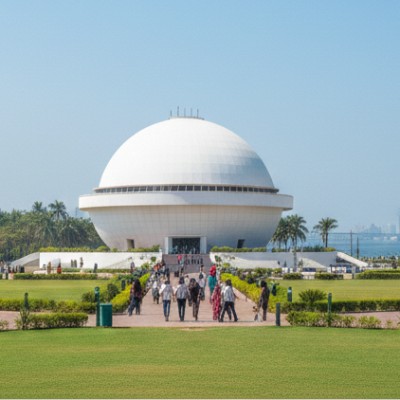
Yes, several popular attractions are located near the Mahalaxmi Temple in Mumbai, such as the Haji Ali Dargah, Worli Sea Face, Nehru Planetarium, and the Bandra-Worli Sea Link.
Yes, the Mahalaxmi Temple in Mumbai is accessible for senior citizens and differently-abled visitors. Ramps and assistance are available at the entrance, though the inner sanctum can get crowded during peak hours.

5, Old Market, Ramesh Nagar,
New Delhi-110015. India
travelroutes.team@gmail.com
www.travelroutes.in